 by
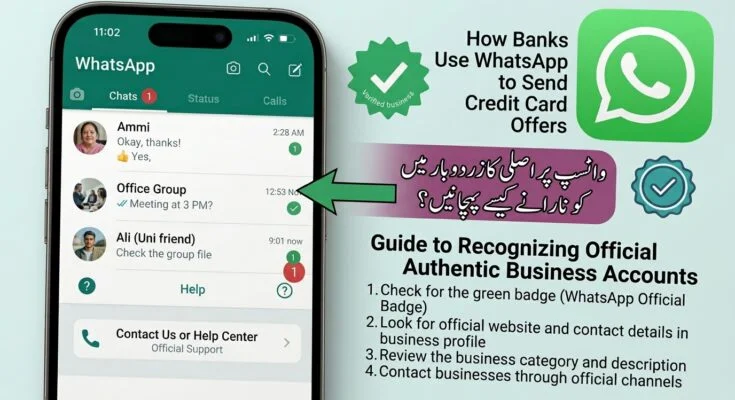
by WhatsApp has become a common communication channel for businesses and financial institutions. Banks and credit card companies may use messaging platforms to communicate with existing customers, share information about financial products, provide reminders, or promote eligible offers.
For customers, receiving a credit card offer through WhatsApp can be convenient. Instead of searching for new financial products, you may receive information about a card that could match your spending habits or banking relationship.
However, not every WhatsApp message claiming to be from a bank is genuine. Scammers can imitate banks, use familiar logos, and create messages that look professional. This is why customers should understand how legitimate WhatsApp credit card communication works and how to verify an offer before taking action.
Why Banks Use WhatsApp for Credit Card Offers
Banks already communicate with customers through several channels, including email, SMS, mobile banking applications, websites, phone calls, and physical branches.
WhatsApp can provide another convenient way to reach customers. Messages can be delivered quickly and may be easier for customers to read than traditional communication methods.
A bank may use WhatsApp to share information about:
- New credit card products
- Promotional offers
- Reward programs
- Application information
- Eligibility-related communication
- Payment reminders
- Customer service updates
- Important account notifications
The exact services available depend on the bank and the country in which it operates.
How a Genuine WhatsApp Offer May Work
A legitimate bank communication generally comes through an official or verified communication channel established by the bank.
For example, an existing customer might receive a message informing them about a credit card promotion. The message may explain basic features and direct the customer toward an official banking website, mobile application, or another approved application process.
The customer should still verify the offer independently.
Do not assume that a message is genuine simply because it contains the bank’s name or logo.
Banks May Personalize Offers
Some financial institutions use customer information and internal eligibility systems to provide more relevant marketing.
For example, a bank may promote a credit card to customers who already have a banking relationship with it. The offer might mention benefits such as cashback, reward points, travel features, or an annual-fee promotion.
However, receiving a promotional message does not necessarily mean that approval is guaranteed.
Final approval can depend on the bank’s eligibility requirements, credit assessment, income information, existing obligations, and other factors.
What Information Can a Credit Card WhatsApp Offer Include?
A promotional message may provide basic information about the card.
| Information | What It May Tell You |
|---|---|
| Card name | Identifies the credit card |
| Rewards | Explains potential points or cashback |
| Fees | Shows annual or other applicable charges |
| Eligibility | Provides general qualification information |
| Offer period | Indicates when a promotion may be available |
| Application option | Explains how to apply through an approved channel |
| Contact information | Provides a way to reach the bank |
Always confirm these details through the bank’s official website or mobile banking application because promotional terms can change.
How to Check Whether a WhatsApp Offer Is Genuine
This is one of the most important steps.
If you receive a credit card offer on WhatsApp, do not immediately click links or provide personal information.
Instead, verify the communication independently.
Check the sender information and compare it with the contact details published on the bank’s official website. You can also open your bank’s official mobile application and look for the same offer.
If you are still unsure, contact the bank using the customer service number listed on its official website or your existing banking documents.
Do not use a phone number provided only inside a suspicious WhatsApp message.
Be Careful With Links
Scammers often use links to imitate bank websites.
A fake website may look almost identical to a legitimate banking page and may ask for sensitive information.
Before clicking a link in a WhatsApp message, consider whether you actually need to use it.
A safer approach is to manually open the bank’s official website or mobile application and search for the offer there.
Never enter sensitive banking information on a website simply because a WhatsApp message tells you to do so.
Banks Should Not Need Your Card PIN or OTP
Customers should be extremely cautious if someone claiming to represent a bank asks for confidential authentication information.
Never share your:
- Credit card PIN
- Online banking password
- One-time password
- Full card security credentials
- Banking login details
A person asking for an OTP to “activate your credit card offer” should be treated as a serious warning sign.
If you receive such a request, stop the conversation and contact the bank through an official channel.
Watch Out for Urgent Messages
Scammers often try to create pressure.
A suspicious message may claim that your offer will expire within minutes or that you must provide information immediately to receive a credit card.
Legitimate promotions can have deadlines, but urgency alone should never prevent you from verifying the offer.
Take your time and confirm the information independently.
Check the Actual Cost of the Credit Card
Even when a WhatsApp offer is genuine, you should not accept it without checking the card’s terms.
A credit card may offer attractive rewards but also have an annual fee or other applicable charges.
Before applying, look at:
- Annual or joining fees
- Interest rates
- Late payment charges
- Cash advance fees
- Foreign transaction fees
- Reward conditions
- Minimum income requirements
- Other applicable fees
The best credit card is one that fits your financial needs, not simply the one with the most attractive advertisement.
Don’t Assume Pre-Approved Means Guaranteed Approval
Some banks may send messages describing customers as pre-qualified, pre-selected, or eligible for a particular offer.
These terms do not always mean that the card is guaranteed to be issued.
The bank may still perform eligibility checks or credit assessment before approving the application.
Read the message carefully and check the official terms to understand what the offer actually means.
WhatsApp Business and Verified Communication
Some businesses use official WhatsApp Business accounts or other verification features to make their communication easier to identify.
However, verification indicators should not be your only method of checking a financial message.
Scammers can still create convincing profiles and messages.
The safest approach is to combine several checks: verify the bank’s official contact information, confirm the offer through the bank’s website or app, and avoid sharing confidential information through chat.
What to Do If You Receive a Suspicious Offer
If a WhatsApp credit card message appears suspicious, do not engage with links or provide personal information.
Take a screenshot if necessary and contact the bank using its official customer service channel.
You can also report and block suspicious WhatsApp accounts using WhatsApp’s available reporting features.
If you have already shared sensitive information or believe your banking details may have been exposed, contact your bank immediately and follow its security instructions.
Acting quickly can help reduce potential damage.
How to Safely Compare WhatsApp Credit Card Offers
If you regularly receive credit card promotions, create a simple comparison system.
Instead of choosing the first offer you receive, compare the cards based on your actual spending habits.
For example, if you spend more on groceries, a card offering useful grocery rewards may be more valuable. If you travel frequently, travel-related benefits may be more relevant.
Compare the total cost and benefits before making a decision.
Final Thoughts
Banks can use WhatsApp as a convenient communication channel for credit card promotions, customer service, reminders, and other financial information. A genuine offer may provide useful details about a card and direct you toward an official application process.
However, WhatsApp can also be used by scammers to imitate financial institutions.
Before responding to any credit card offer, verify the sender through official bank channels, avoid suspicious links, and never share passwords, PINs, or OTPs with someone contacting you through WhatsApp.
Most importantly, a genuine-looking message is not enough proof that an offer is genuine. Verify the information independently and review the card’s fees, rewards, eligibility requirements, and terms before applying.
Using WhatsApp carefully can make it easier to discover financial offers while helping you avoid scams and unnecessary financial risks.