 by
by A credit card can make everyday payments easier, help you manage short-term expenses, and provide rewards on eligible purchases. However, credit cards can also come with charges that are easy to overlook. Some fees are clearly mentioned, while others may only become noticeable when you receive your statement.
Knowing how credit card fees work is one of the best ways to avoid unnecessary expenses. Before applying for a card, and while using one, you should understand the charges that may apply to your account.
What Are Hidden Credit Card Charges?
A “hidden” credit card charge does not necessarily mean the bank is secretly charging you. In many cases, the fee is included in the card’s terms and conditions, but customers may not notice it before using the card.
These charges can include annual fees, late payment fees, cash advance fees, foreign transaction fees, balance transfer charges, or fees associated with certain transactions.
The exact fees depend on the card issuer, country, and individual card agreement.
The best approach is to read the pricing information before applying and regularly review your statements after using the card.
Check the Fee Schedule Before Applying
One of the easiest ways to avoid unexpected charges is to check the card’s fee schedule before opening an account.
Do not focus only on the advertised rewards, cashback, or introductory offer. Look at the costs associated with using the card.
Pay attention to:
- Annual or membership fees
- Interest rates
- Late payment charges
- Cash advance fees
- Foreign transaction fees
- Balance transfer fees
- Returned payment fees
- Other transaction-specific charges
A card with impressive rewards may not be a good choice if its fees are too high for your spending habits.
Understand the Annual Fee
Some credit cards charge an annual fee simply for maintaining the account.
Before choosing a card with an annual fee, estimate whether the rewards and benefits you realistically expect to receive are greater than the cost.
For example, if a card costs $100 per year and you expect to receive only $50 in useful rewards, the card may not provide good value.
On the other hand, a card with a higher fee may make sense if you regularly use valuable benefits and the total value exceeds the cost.
Always check whether the fee applies immediately, annually, or under specific conditions.
Avoid Late Payment Fees
Late payment fees are among the easiest credit card charges to avoid.
Your card statement normally provides a payment due date. Missing that date can result in a fee and, depending on the circumstances and reporting rules, potentially affect your credit history.
A simple solution is to set up automatic payments through your bank or card issuer when available.
Even if you use automatic payments, continue checking your account. Make sure the payment was processed and that sufficient funds were available.
Don’t Confuse Minimum Payment With Full Payment
Credit card statements usually show a minimum payment amount. Paying the minimum may prevent the account from becoming delinquent, but it does not necessarily prevent interest from accumulating on an unpaid balance.
If your goal is to avoid interest on purchases, check your card agreement and understand how its grace period works. For many cards, paying the full statement balance by the due date can help you avoid interest on eligible purchases.
The exact rules vary by issuer and transaction type.
Be Careful With Cash Advances
Using a credit card to obtain cash can be significantly more expensive than making a normal purchase.
Cash advances may involve a separate fee and may begin accruing interest under different terms from ordinary purchases. There may also be no standard purchase grace period for the cash advance.
Before using this feature, check the applicable fees and interest rate.
If you need access to cash, understand the total cost before proceeding rather than focusing only on the amount you receive.
Watch Foreign Transaction Fees
If you travel internationally or purchase products from foreign websites, check whether your credit card charges a foreign transaction fee.
For example, a card may advertise attractive rewards but charge a fee on eligible transactions made outside the card’s domestic market or processed in a foreign currency.
If you frequently make international purchases, compare cards based on both their rewards and international transaction costs.
Also remember that currency conversion rates and other charges can affect the final amount you pay.
Understand Balance Transfer Fees
Balance transfers can sometimes be used to move existing credit card debt from one card to another. Some cards offer promotional interest rates for balance transfers, but the transfer may still involve a fee.
Before accepting a balance transfer offer, calculate the total cost.
Consider:
Transfer amount + transfer fee + potential interest after the promotional period = total potential cost
A promotional rate does not automatically mean the transfer is free.
Read the Fine Print on Rewards
Rewards and cashback can be useful, but they sometimes come with conditions.
A card may provide a higher reward rate only on selected categories, up to a certain spending limit, or during a specific promotional period.
Check:
- Eligible purchases
- Reward limits
- Minimum redemption requirements
- Expiration rules
- Excluded transactions
- Promotional periods
- Changes to the rewards program
Understanding these conditions helps you calculate the real value of the card.
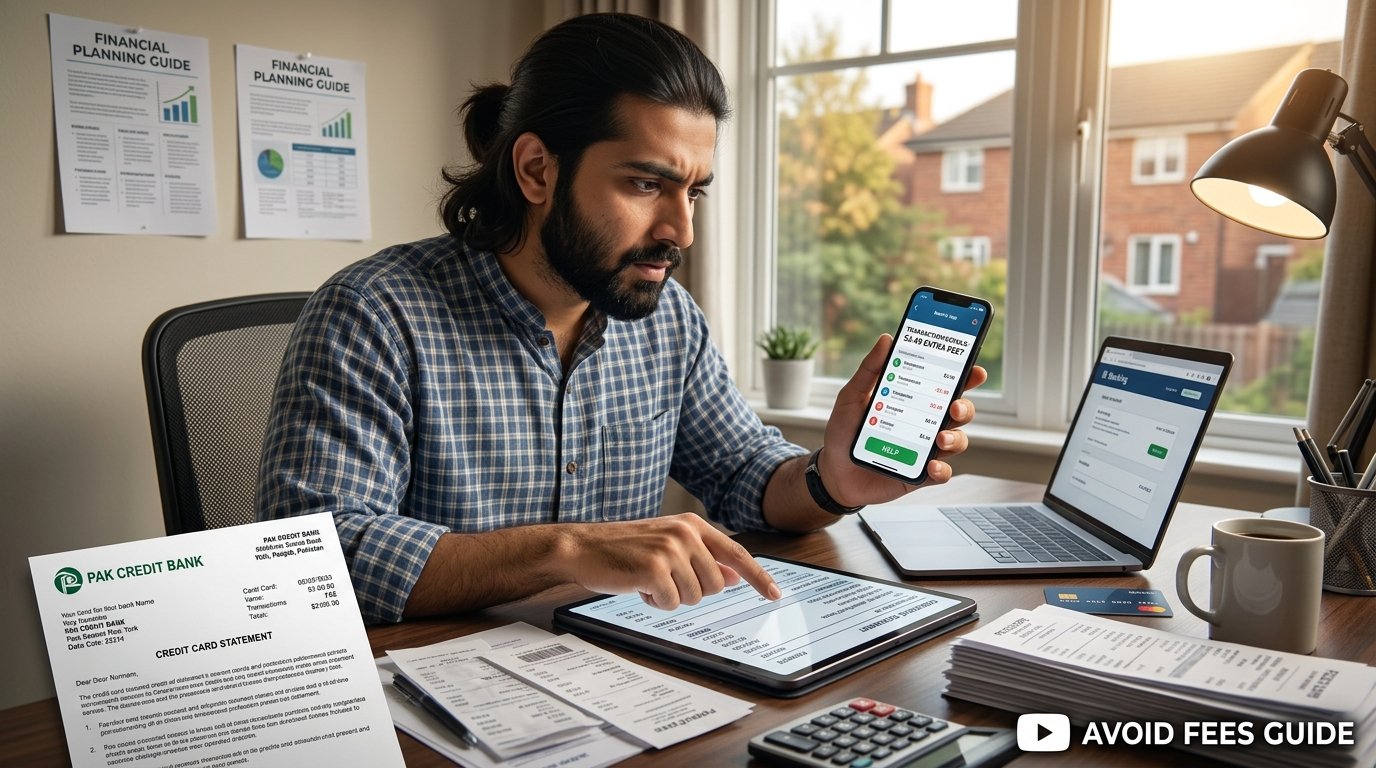
Review Every Credit Card Statement
Your monthly statement is one of the most useful tools for finding unexpected charges.
Do not simply look at the total amount due. Review individual transactions and fees.
| Statement Item | What to Check |
|---|---|
| Purchases | Make sure every transaction is recognized |
| Interest | Check why interest was charged |
| Fees | Identify the reason for each fee |
| Payments | Confirm your previous payment was credited |
| Credits | Check refunds and adjustments |
| Rewards | Review whether expected rewards were received |
If you notice something you do not understand, contact the card issuer promptly.
Avoid Unnecessary Installment Costs
Some credit cards offer installment plans that allow eligible purchases to be repaid over several months.
While this can provide flexibility, installment plans may involve interest, processing fees, or other charges.
Before converting a purchase into installments, understand the total amount you will pay rather than looking only at the monthly payment.
A small monthly payment can sometimes make an expensive transaction appear cheaper than it actually is.
Be Careful With Overdue Accounts
Ignoring a credit card bill because you cannot pay the full amount can make a difficult situation worse.
Late fees, interest, and other charges may accumulate depending on your card’s terms.
If you are having trouble making payments, contact your card issuer as soon as possible and ask what repayment options may be available.
Taking action early is generally better than allowing unpaid balances to continue growing.
Compare the Total Cost, Not Just the Benefits
When comparing credit cards, many people focus on cashback, rewards, welcome offers, or discounts.
These features are important, but they are only one part of the calculation.
A better comparison considers:
Rewards earned − annual fees − transaction fees − interest and other applicable costs = actual value
This helps you determine whether a credit card is genuinely useful for your financial situation.
Simple Habits That Can Prevent Extra Fees
You do not need a complicated system to manage credit card charges.
A few simple habits can make a significant difference:
- Read the fee schedule before applying.
- Know your payment due date.
- Set payment reminders or automatic payments.
- Review your statement every month.
- Avoid cash advances unless necessary.
- Check foreign transaction costs before international purchases.
- Understand promotional offers before accepting them.
- Keep track of annual fees.
- Pay attention to reward conditions.
- Contact the card issuer when a charge is unclear.
These habits can help you catch problems before they become expensive.
Final Thoughts
Avoiding hidden credit card charges starts with understanding how your card works. Fees are often avoidable when you know when they apply and plan your spending accordingly.
Before choosing a credit card, compare its annual fee, interest terms, transaction charges, reward conditions, and other costs. After getting the card, monitor your statements and make payments on time.
Remember that the credit card with the biggest rewards is not always the cheapest card to use. The best card is one that provides useful benefits while keeping unnecessary fees and interest under control.
By reading the terms carefully and checking your statements regularly, you can enjoy the convenience of a credit card without allowing unexpected charges to reduce its value.