 by
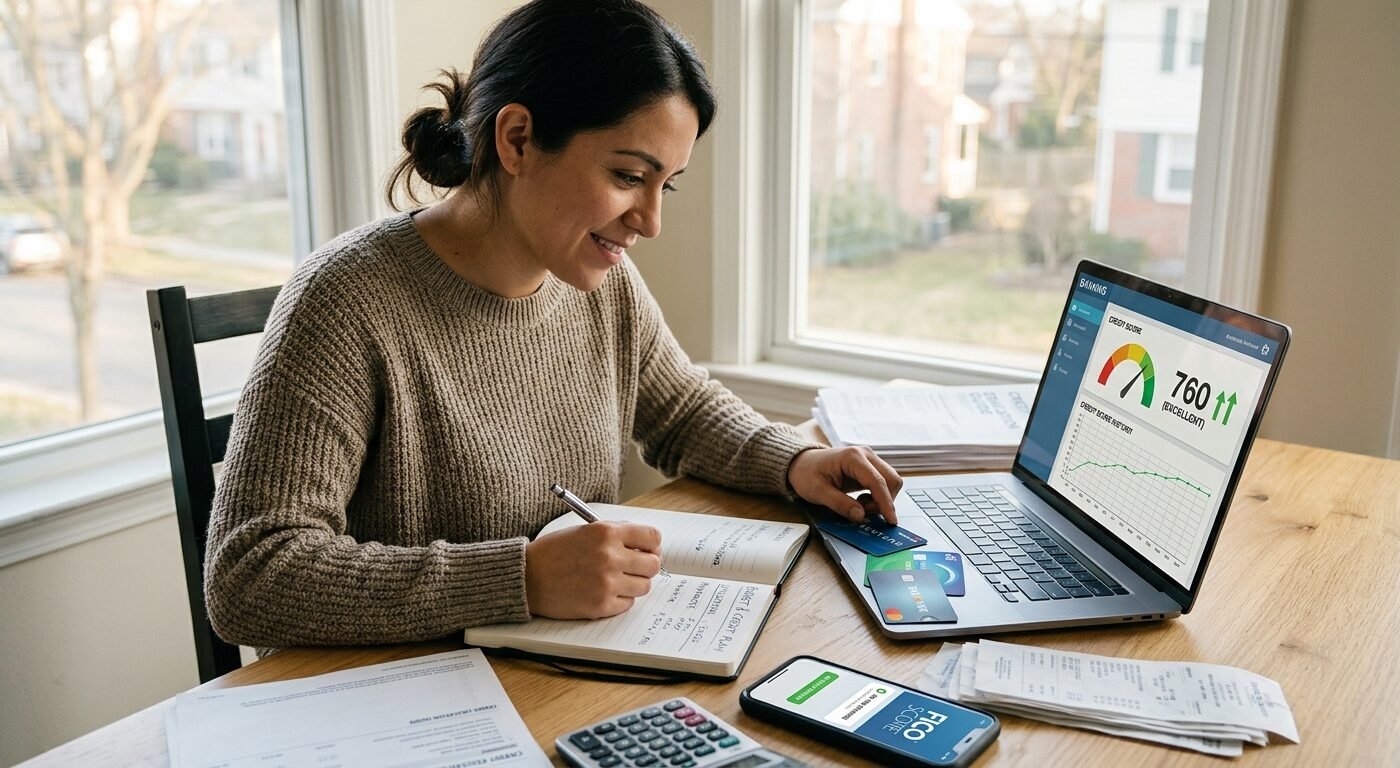
by A credit card can be more than a convenient way to pay for purchases. When managed responsibly, it can help you establish a strong credit history and build a good credit score over time. However, simply having a credit card does not guarantee a better score. Your payment habits, balances, credit utilization, and overall account management can all matter.
The good news is that you do not need to make large purchases to build credit. Consistent, responsible habits are usually more important than how much you spend.
What Is a Credit Score?
A credit score is a numerical representation of information in your credit history. Lenders may use credit scores and credit reports when evaluating applications for credit.
Depending on the country and scoring system, different factors can influence a credit score. These can include payment history, amounts owed or credit utilization, length of credit history, types of credit accounts, and applications for new credit.
Because scoring models differ, there is no single formula that applies to every person.
The goal should be to develop healthy financial habits rather than trying to manipulate your score with unnecessary borrowing.
Always Pay Your Credit Card Bills on Time
One of the most important habits is making payments by their due dates.
A missed or late payment can potentially hurt your credit history, depending on the circumstances and reporting rules in your country. Repeated late payments can create even bigger problems.
A simple way to avoid this is to set up automatic payments if your bank or card issuer offers the feature.
You should still check your account regularly to make sure the payment was processed correctly and that there is enough money available.
Pay More Than the Minimum When Possible
Credit card statements commonly show a minimum payment. Paying only that amount may keep the account from becoming delinquent, but it can leave a large balance outstanding and may result in significant interest costs.
If possible, pay the full statement balance by the due date. This can help you avoid interest on purchases when your card’s terms provide a grace period and can keep your balance under control.
If paying the full balance is not possible, paying more than the minimum can still help reduce the balance faster.
Remember that the exact interest and grace-period rules depend on your credit card agreement.
Keep Credit Utilization Under Control
Credit utilization generally refers to how much of your available revolving credit you are using.
For example, if your credit limit is $2,000 and your balance is $500, your utilization is 25%.
A high utilization ratio can sometimes negatively affect credit scores, even if you make your payments on time.
You do not need to carry a balance to build credit. In fact, paying your balance in full can be a healthier financial habit.
The practical goal is to avoid consistently using a large portion of your available credit.
Don’t Treat Your Credit Limit as Extra Income
A credit limit can make it easy to spend more than you planned.
However, your available credit is not additional income. Every purchase made with a credit card creates an obligation to repay the card issuer.
Before using your card, consider whether you could afford the purchase with your regular budget.
Using a credit card for normal expenses that you can comfortably repay can be a safer approach than using it to fund purchases you cannot afford.
Avoid Applying for Too Many Cards at Once
Having several credit cards is not automatically bad, but opening multiple accounts within a short period can make managing your finances more difficult.
Credit applications may also result in hard inquiries in some credit-reporting systems, and multiple applications can affect your credit profile depending on the scoring model.
Instead of applying for every card you see advertised, compare your options carefully and apply only when a new account makes sense for your financial situation.
Keep Older Accounts in Good Standing
The age of your credit accounts can be relevant to some credit scoring models.
An older account that is managed responsibly may contribute to a longer credit history. Therefore, do not automatically close an older credit card simply because you no longer use it frequently.
However, keeping an account open may involve fees or other considerations. Review the terms and your overall financial situation before deciding whether to close a card.
Monitor Your Credit Report
Building good credit also means knowing what appears on your credit report.
Review your credit report periodically when free access is available in your country. Look for information such as:
- Incorrect personal information
- Accounts you do not recognize
- Incorrect payment history
- Wrong account balances
- Duplicate accounts
- Outdated information
If you discover an error, follow the appropriate dispute process with the relevant credit bureau or lender.
Monitoring your credit can also help you identify potential fraud or unauthorized accounts earlier.
Create a Simple Credit Card Routine
You do not need a complicated system to manage a credit card.
A simple monthly routine can work well:
| Habit | What to Do |
|---|---|
| Before spending | Check your available budget |
| During the month | Track card purchases |
| Before the due date | Review your statement |
| Payment day | Pay on time |
| After payment | Confirm the transaction |
| Every few months | Review your credit report when available |
Following a consistent routine can reduce the chance of missed payments and uncontrolled spending.
Use Your Card for Planned Expenses
One useful approach is to use a credit card for expenses that are already included in your budget.
For example, you might use it for groceries, subscriptions, fuel, or regular household purchases. The important point is not the category itself but whether the expense is affordable and planned.
You can then use your normal income to pay the statement according to the card’s terms.
This approach helps separate credit card usage from unnecessary borrowing.
Understand Interest Before Carrying a Balance
Credit cards can have relatively high interest rates compared with some other forms of borrowing.
If you carry a balance from month to month, interest can increase the amount you owe and make repayment harder.
This is why rewards and cashback should never be the main reason to spend money you cannot repay.
A small amount of cashback is not worth paying substantial interest.
Before using your card, understand its interest rate, fees, payment requirements, and other terms.
Be Patient With Your Credit Score
A strong credit profile generally develops over time.
You may not see a dramatic improvement immediately after getting a credit card. Credit information is reported and updated according to the practices of lenders and credit bureaus, while scoring models evaluate your information differently.
Instead of checking your score every day, focus on habits that remain useful over the long term:
Pay on time + control balances + avoid unnecessary applications + monitor your credit + spend within your budget.
Consistency matters.
Common Credit Card Mistakes to Avoid
Several habits can make credit management harder.
Avoid using your entire credit limit, missing payment deadlines, making unnecessary applications, ignoring statements, and spending simply to earn rewards.
Also avoid assuming that carrying a balance is required to build credit. Responsible credit use does not mean paying interest unnecessarily.
If you are struggling to make payments, contact your card issuer or a qualified financial professional rather than allowing the problem to grow.
Final Thoughts
Using a credit card wisely can be an effective way to establish responsible credit habits and potentially strengthen your credit profile over time.
The most important steps are straightforward: make payments on time, keep balances manageable, avoid unnecessary debt, monitor your credit information, and use your card according to a realistic budget.
You do not need to spend a lot of money or maintain a balance just to build credit. Responsible and consistent use is more important than the size of your purchases.
By treating your credit card as a financial tool rather than extra income, you can work toward a healthier credit history while reducing the risk of unnecessary interest and debt.